EPN Conference
Workshop Registration
Register your ticket for a workshop
How to sign up for a workshop
- Buy your ticket
Each conference ticket gives you a place in one workshop. You can also choose a workshop when you buy your ticket.
Buy a ticket → - Log in to your attendee page
Log in with the email you bought your ticket with. We'll send you a one-time code.
Go to log in → - Sign up
Press "Sign up" on the workshop. You can switch or cancel on your attendee page as long as there are seats and registration isn't locked.
This workshop will focus on ongoing legal proceedings in Europe concerning alleged violations by Israel and on how international and European legal mechanisms can be used to document, investigate, and seek accountability for such violations. Legal experts and practitioners will present concrete cases currently being pursued or prepared before European and international courts, while sharing experiences in legal documentation, strategic litigation, and efforts to ensure access to justice. The workshop will also examine the experiences of different groups affected by the alleged violations, including women, children, prisoners, doctors and healthcare professionals, and journalists. Through concrete case studies, participants will gain insight into the legal challenges faced by these groups and the avenues available for pursuing cases through national, European, and international legal systems. A central focus of the workshop will be to explore how legal work, documentation, and strategic litigation can contribute to accountability and the protection of human rights. The workshop will bring together legal professionals, human rights organisations, documentation groups, and other relevant actors to exchange experiences, strengthen cooperation, and identify opportunities for future legal initiatives.
A workshop focusing on how sport can be used to build community, create visibility and encourage engagement in support of the Palestinian people. Building on the experience of Run for Palestine, which has brought people together across several Danish cities over the past three years, we aim to further develop and strengthen this movement. One of the main goals is to establish local, free Run for Palestine running clubs, where people can train together in the lead-up to the annual run while creating visibility and a sense of community around Palestine. The workshop will also introduce the idea of Palestine Power Race – a new sports concept inspired by functional fitness, but with its own unique identity. The current concept consists of 10 x 500-metre runs combined with 10 different physical workout stations and is designed to be completed individually, in pairs or as part of a team. The workshop will also provide an open space for new ideas. Participants are invited to present their own ideas, initiatives and projects that use sport for the same purpose. By bringing together different experiences and perspectives, we hope to develop new opportunities for collaboration and collective action. The purpose is to bring together athletes, volunteers and passionate individuals, build new connections and turn ideas into concrete initiatives that can continue beyond the conference. The goal is to strengthen the network around Sport for Palestine and create activities that bring people together across cities and different sports.
A workshop about how art, culture and food can bring people together and strengthen solidarity with Palestine. Participants will share ideas, experiences and initiatives and explore how cultural activities can create connections, raise awareness and inspire new collaborations across Europe.
Strengthening Collaboration and Communication Among Pro-Palestinian Journalists and Media Objective: To strengthen communication and cooperation among journalists, influencers, and media organizations supporting Palestine across Europe, facilitating the exchange of experiences, supporting the Palestinian narrative, sharing sources in different languages, and building on our diverse experiences. Key Areas of Focus: 1. How can we improve the exchange of knowledge and experiences and strengthen cooperation among us? 2. Are the challenges we face in different countries similar? What are the key differences between them? 3. How can we empower spokespersons for the Palestinian cause to become trusted and reliable points of reference for official news channels and media outlets in different countries? 4. How can we engage with and influence local media in a professional and effective way? 5. How can we make the most of our different experiences and learn from one another?
A workshop about turning ideas into concrete initiatives for Palestine. The Handala Fund supports creative, cultural and solidarity projects that create visibility, engagement and action. Participants will learn how the fund works, share their own project ideas and explore how small-scale funding can help bring new initiatives to life.
The workshop will showcase a range of successful projects and initiatives from different countries, highlighting the work of students, universities, and academics who have made a meaningful and tangible contribution to supporting Palestine within the university sector. In addition, we will build on the network we have established and develop stronger tools, strategies, and frameworks to facilitate collaboration and coordination across different student organisations and initiatives. Further information about the programme, speakers, and invited guests will be announced in the coming weeks.
From Solidarity to Impact. Across Europe, solidarity with Palestine has mobilised an extraordinary scale. The question now is how that engagement can translate into political change. This workshop brings together civil society organisers, advocates, curious individuals and politically engaged people to explore how we can turn solidarity into concrete political action and real change. Together, we will look at how the current engagement around Palestine can be turned into concrete European initiatives. What shared and realistic demands should we put forward? What can we do to build pressure and move governments to act? And how can we work together across borders to create lasting political change? Among other things, we will explore how to increase pressure on governments to adopt boycott measures, push for an end to arms sales, demand responsibility for the reconstruction of Gaza, and how to build strong alliances across Europe around shared goals. The aim is to move towards action. We want participants to leave the workshop with concrete ideas for joint political initiatives that can be developed and taken forward across Europe.
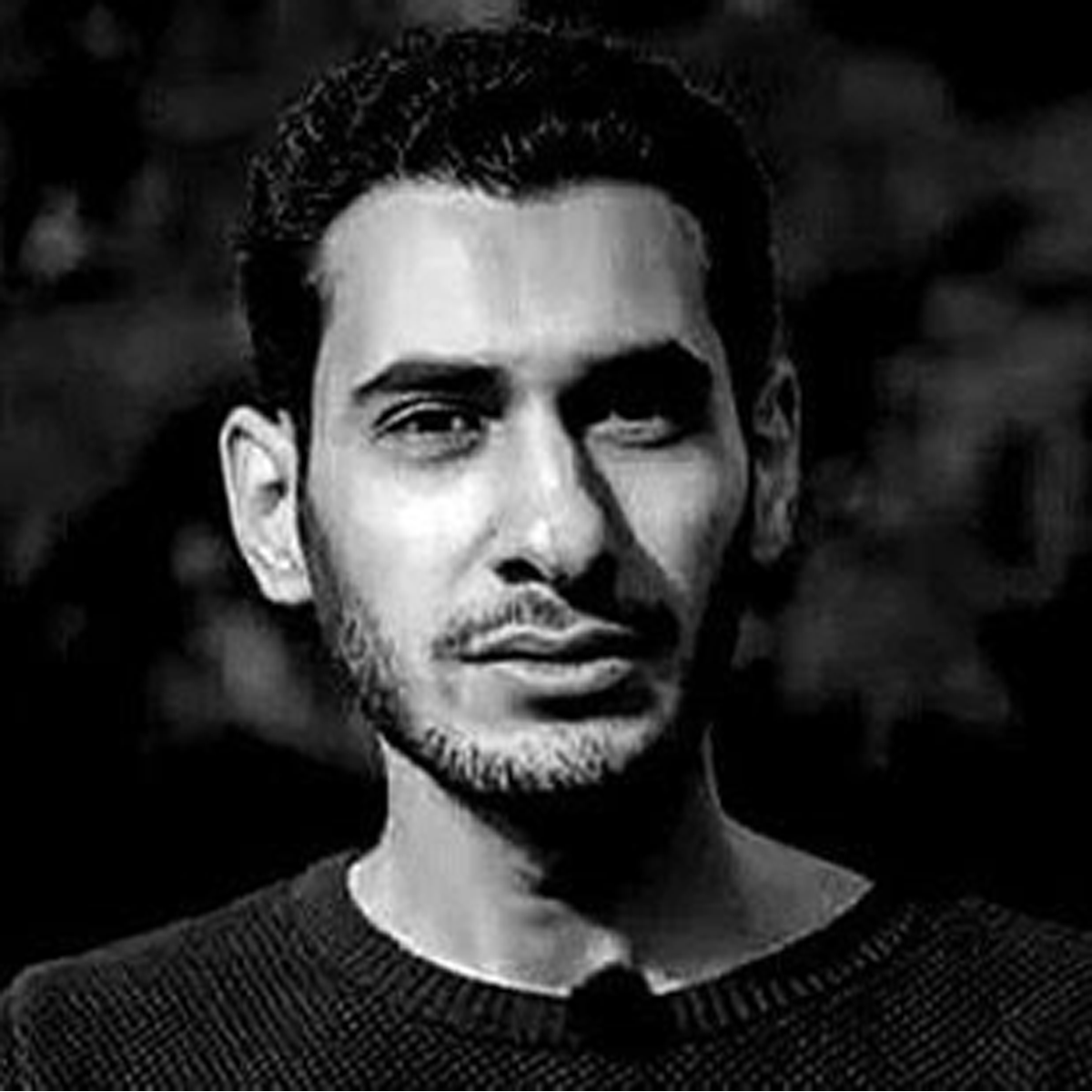
A workshop focusing on the conditions, rights and freedom of Palestinian prisoners. The workshop aims to build a strong network among organizations, activists, professionals and others committed to human rights and advocating for the rights of Palestinian prisoners. The purpose is to raise awareness of the situation of Palestinian prisoners, share knowledge and experiences, and strengthen cooperation across existing initiatives. By establishing a stronger and more connected network, the workshop seeks to create a foundation for coordinated, strategic and collective efforts to advance the rights, dignity and freedom of Palestinian prisoners. We are already engaged in a number of initiatives, which will be presented during the workshop. The workshop will provide an opportunity to bring these experiences together, exchange ideas and collectively develop the work that is already underway. The goal is to strengthen existing efforts and create new opportunities for joint and coordinated action. Speakers: Khaled Mahajna - Palestinian human rights lawyer who frequently visits Israeli prisons and documents the treatment of Palestinian detainees. A representative of Amnesty International
This session will bring together experiences of challenging pension funds and other major institutional investors over their investment policies and financial links to human rights abuses in Palestine. Participants will share concrete campaigns, research, and organising efforts aimed at influencing pension funds, engaging members and decision-makers, and increasing pressure for transparency and responsible investments.
This session will examine the toll of the genocide in Gaza on the health workers who continue to provide care. We will present findings from our research with Palestinian and international midwives, doctors, and other health providers, and situate them within the wider body of evidence on health workers' experiences in Gaza. The session will also explore the vicarious trauma experienced by activists and others bearing witness from afar. Participants will be invited to share their own reflections on the emotional and professional costs of this witnessing, including grief, exhaustion, isolation, and the pressures of speaking out. Building on both the research and these reflections, we will consider how we can sustain ourselves and one another while remaining engaged, and explore ways to cultivate transnational practices of collective healing and solidarity. The session will conclude with a collective discussion to identify concrete actions and develop a plan for transnational collective care. Speakers: Shatha Elnakib – Assistant Professor and Deputy Director of the Center for Humanitarian Health, Johns Hopkins University School of Public Health James Smith – Lecturer and Deputy Director of UCL's MSc in Humanitarian Policy & Practice
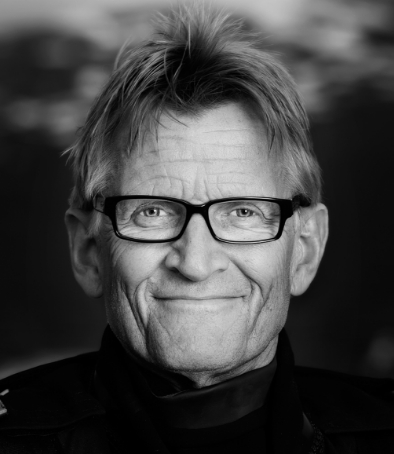
A workshop focusing on the devastating impact of the genocide on Gaza’s healthcare system and the experiences, conditions and rights of healthcare workers and patients. The workshop will examine the destruction of hospitals, medical infrastructure and essential health services, and its consequences for healthcare workers, patients and the wider population. It will also address the long-term impact of decades of occupation, repeated attacks, blockade and displacement on Gaza’s healthcare system and public health. Through first-hand experiences and testimonies, the workshop aims to shed light on the destruction of the healthcare system, the conditions faced by medical professionals and the consequences for the people of Gaza. It will also create space to discuss the protection of healthcare workers, access to medical care, and the urgent need to rebuild and strengthen Gaza’s healthcare system. Speakers: Nick Maynard – British surgeon with first-hand experience working in Gaza. Mads Gilbert – Norwegian physician and humanitarian with extensive experience working in Gaza. A family representative of Dr. Hussam Abu Safiya – Sharing the experiences and perspective of the family of the Palestinian physician and former director of Kamal Adwan Hospital. The workshop will bring together doctors, healthcare professionals, humanitarian organizations, activists and relevant professional organizations. By connecting people and organizations across different areas of healthcare, we aim to exchange knowledge, expertise and experiences and explore how we can work together to strengthen Gaza’s healthcare system. The goal is to build stronger professional networks, strengthen existing initiatives and create new opportunities for cooperation and coordinated action to support the rebuilding and development of healthcare in Gaza.
A workshop about the role of documentary film in telling Palestinian stories and bringing them to wider audiences. Participants will share experiences, ideas and approaches to developing, producing and distributing documentaries about Palestine. The workshop will also explore how filmmakers, journalists and activists can work together to strengthen Palestinian voices and reach audiences across Europe.